

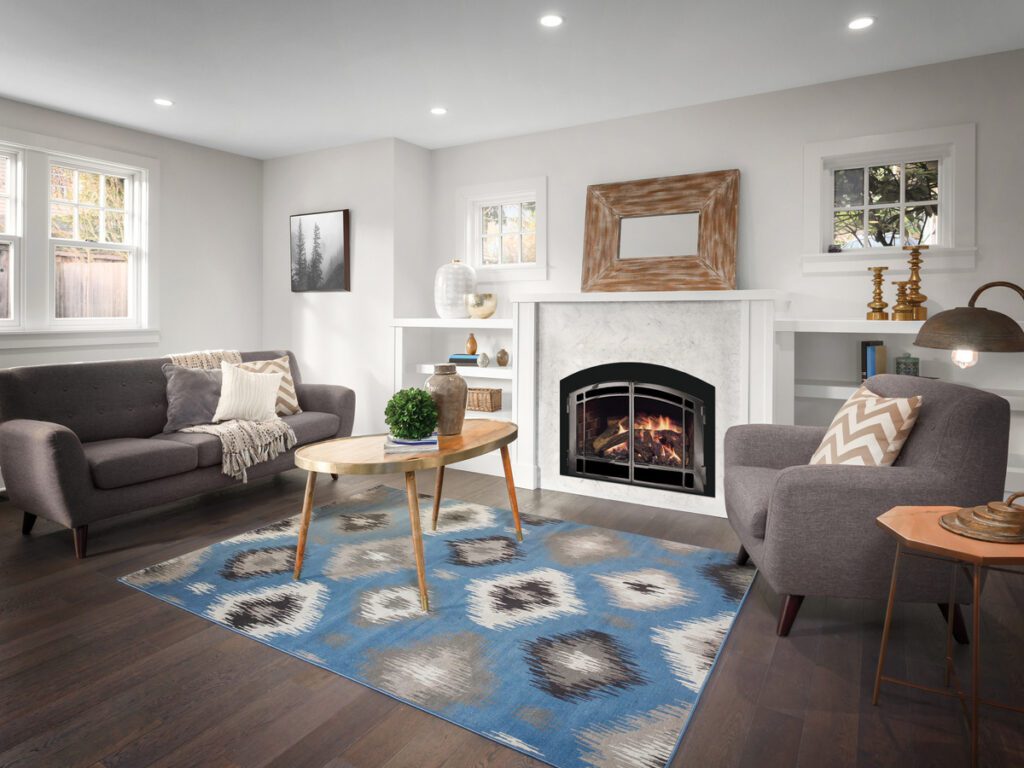
If your winter electric bill makes you hesitate to turn the thermostat up by even one degree, you are not alone. Many homeowners feel trapped between comfort and cost, especially when electricity rates rise, and cold weather stretches on for weeks at a time. The frustrating part is that most homes are not “hard to heat” because the house is broken. They are expensive to heat because the heating strategy is inefficient.
The good news is that there is a smarter path forward. Understanding the most efficient way to heat a home can help you stay warm without watching your utility bill spiral. In many homes, one of the most effective strategies is adding supplemental heat, especially with a natural gas or propane fireplace, to reduce reliance on high-cost electric heating.
What Is the Most Efficient Way to Heat a Home?
Before choosing a solution, it helps to define what “efficient” really means. Home heating efficiency is about how hot a system can make a room and how much usable heat you get for every dollar spent.
When homeowners ask, what is the most efficient way to heat a home, the answer often comes down to a combination of:
- Using the right fuel source for your region and budget
- Heating only the spaces that need heat
- Preventing heat loss through drafts, poor insulation, and old windows
- Pairing primary heat with strategic supplemental heat
For many households, electric heat is the most expensive way to heat large spaces over long periods. That is why so many people start looking into the most cost-efficient way to heat a home, especially after a few winters of outrageously high electric bills.
Efficient Home Heating Starts with One Key Idea: Heat the Space You Live In
A common mistake is trying to heat the entire house equally all day long. Most families spend most of their time in just a few rooms, like the living room, kitchen, family room, home office, or finished basement.
That is where efficient home heating becomes less about “bigger equipment” and more about having a smarter strategy. If you can keep the most-used areas comfortable, you can often lower the thermostat for the rest of the home without sacrificing that cozy feeling in the primary rooms.
This approach is called zone heating. It does not require a complicated HVAC overhaul. In fact, one of the most accessible zone-heating tools is a fireplace that provides strong, targeted warmth in the heart of the home.
Gas vs Electric Heat and Why Bills Rise So Fast in Winter
Many homes rely heavily on electric heating. That can include electric furnaces, electric baseboards, or heat pumps that switch into electric resistance mode during very cold temperatures.
Most homeowners don’t realize that electric resistance heat is notoriously costly to run. Even if it works well, running it can make managing monthly costs difficult. That is why homeowners frequently search for gas vs electric heat comparisons when winter bills spike.
In many areas, natural gas or propane can deliver heat at a lower cost per unit than electricity. That means using gas-based supplemental heating can reduce the strain on your electric system during intensely cold periods like those in Pennsylvania.
This is especially valuable during the coldest weeks of winter, when your heating system runs the most, and your bill climbs the fastest.
Heating with a Gas Fireplace as a Powerful Supplemental Heating Strategy
Adding a gas fireplace is not only about ambiance. It can be a practical heating decision when your goal is to reduce energy costs and improve comfort.
Heating with a gas fireplace works best when it is used strategically:
- Run the fireplace during high-use hours (mornings, evenings, weekends)
- Reduce reliance on electric heat in main living areas
- Keep doors closed to concentrate heat where you want it
- Use a blower or fan (if available) to circulate warmth
When used this way, a gas fireplace becomes an integral part of your home heating plan.
Gas Fireplace Efficiency: What Homeowners Need to Know
Not all fireplaces perform the same. If your goal is cost savings, efficiency matters.
Gas fireplace efficiency depends on the type of unit:
- Direct vent gas fireplaces: Highly efficient and sealed. These are designed to heat a space effectively while limiting heat loss.
- Traditional open fireplaces: Even with gas logs, open systems can lose a lot of heat and may pull warm air out of the home.
Some people are interested in learning more about vent-free gas fireplaces. They have a very high heat output because no heat escapes through a vent. However, they require careful installation and proper room sizing. You must also carefully read the operating instructions, as most vent-free units require a window to be cracked open while in use. Additionally, please check with your local guidelines, as they are not legal in all states and municipalities. We do not recommend or sell vent-free fireplaces.
If you are evaluating natural gas fireplace heating, consider efficiency ratings, heat output (BTUs), and whether the unit is designed primarily for heating or aesthetics.
Propane Fireplace Efficiency: A Smart Option for Homes Without Natural Gas
Not every home has access to natural gas lines, which is where propane becomes an excellent supplemental heating alternative.
Propane fireplace efficiency can be comparable to natural gas, depending on the unit. Propane burns hot, produces strong heat output, and can be stored on-site, making it ideal for rural or off-grid areas.
If you are exploring the most efficient way to heat a home in an area without natural gas access, propane can provide reliable supplemental heating that helps offset electric usage during peak winter months.
How to Reduce Electric Heating Bill Without Freezing
For many homeowners, the real goal is simply comfort without financial stress. If you are searching for how to reduce your electric heating bill, these strategies can help immediately:
- Lower the thermostat 2–4 degrees and rely on supplemental heat in occupied rooms
- Use ceiling fans in reverse to push warm air down
- Seal drafts around doors, windows, and attic access points
- Use curtains strategically by keeping them open during sunny hours and closed at night
- Replace HVAC filters so systems run efficiently
- Keep interior doors closed to prevent heat loss in unused spaces
These are not flashy solutions, but they are effective. When paired with targeted supplemental heat, they can make a major difference.
Combine Comfort and Control and Keep Your Bill Low in Winter
It is possible to stay comfortable without overspending, but it takes a shift in how you think about heating. If you want to know how to keep your heat bill low in winter, the answer is rarely a single change. Here’s a layered strategy you can try:
- Reduce heat loss
- Heat the rooms you use
- Use efficient fuel sources where possible
- Avoid overworking electric heating systems
A fireplace can support this plan by delivering warmth exactly where it is needed most, often in the main gathering space of the home.
Most Cost-Effective Way to Heat a Home: When a Fireplace Makes the Difference
The most cost-efficient way to heat a home is the method that provides reliable warmth with the lowest ongoing cost. For many households, that means reducing reliance on electric heat and installing a supplemental heat source that efficiently warms the home’s most-used rooms.
A properly selected natural gas or propane fireplace can support that goal by increasing comfort in living areas, reducing thermostat demand on electric heating systems, offering consistent heat during cold snaps, and creating a warmer home environment.
For homeowners tired of unpredictable winter bills, this approach can be extremely beneficial.
Ready to Warm Your Home Smarter This Winter?
If you are serious about finding the most efficient way to heat a home, a high-quality gas fireplace can be one of the smartest upgrades you make, especially if you want to offset electric heating costs while improving everyday comfort. At LanChester Grill & Hearth, you can explore natural gas and propane fireplace options designed for both performance and style, with guidance to help you choose the right fit for your home and heating goals. Reach out today to start planning a warmer, more cost-efficient winter.