

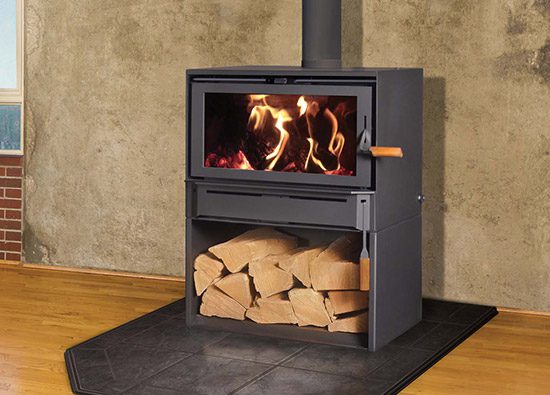
When the temperatures drop, there is nothing quite like the warmth of a wood stove. However, if you are not getting the heat you expect or feel like you are burning through firewood too quickly, your stove may not be running at its optimal efficiency.
Fortunately, with the proper knowledge and a few simple adjustments, you can enhance performance, reduce fuel consumption, and maintain a more comfortable home throughout the season. These wood stove efficiency tips will help you maximize heat output while using less wood, making your stove safer, cleaner, and more cost-effective.
Choosing and Seasoning Firewood Properly
The foundation of wood stove efficiency begins with the fuel you use. Not all firewood is created equal, and choosing the wrong type or burning it too soon can drastically reduce efficiency.
- Hardwoods vs. Softwoods: Hardwoods, such as oak, maple, and hickory, burn longer and hotter than softwoods, like pine or spruce. For sustained heat, hardwoods are the better choice. We never recommend burning softwoods, as the way they burn can clog the catalyst in the woodstove. The EPA requires catalysts on all woodstoves to comply with its standards.
- Proper Seasoning: Freshly cut wood contains a high moisture content, which wastes energy as your stove works to evaporate water instead of producing heat. Season firewood for at least 6 to 12 months, stacking it off the ground and covering the top to allow airflow.
- Moisture Testing: For optimal performance, firewood should have a moisture content of 20% or less. A simple moisture meter is an inexpensive tool that ensures you burn the right wood.
By starting with properly seasoned hardwood, you can enhance your stove’s burn time, reduce smoke, and make each load of wood last longer.
Loading Techniques for Maximum Heat
Even with seasoned wood, how you load your stove makes a big difference in efficiency. Correct loading helps improve airflow, sustain heat, and keep emissions cleaner.
- Stacking Methods: Place larger logs on the bottom and smaller, split wood on top. This creates a stronger coal bed, ensuring a more even burn.
- Avoid Overloading: Filling the stove too tightly limits airflow and smothers the fire. Leave enough space for circulation, which allows for more efficient combustion.
- Air Control: Start fires with vents fully open, then close the damper once the stove reaches operating temperature. Too little air causes smoky fires, while too much burns wood too quickly. When you close the damper at operating temperature, it causes reburn, which means higher efficiency for the stove.
You’ll make every log count by developing good loading habits while maintaining steady, consistent supplemental heat throughout your home.
The Role of Wood Stove Maintenance
Regular upkeep is one of the most essential wood stove efficiency tips. Without maintenance, even the best stove will lose performance over time.
- Chimney Sweeping: Creosote buildup restricts airflow and increases the risk of chimney fires. Have your chimney professionally cleaned at least once a year.
- Inspecting Seals: Check door gaskets and seals regularly. Worn gaskets allow excess air to enter, leading to inefficient burns. Replacing them is a simple, low-cost fix.
- Ash Removal: Too much ash restricts airflow, while too little prevents a solid coal bed. Keep one to two inches of ash in the bottom for balance.
- Glass Cleaning: Clouded or blackened glass signals poor combustion. Wiping it down keeps your stove clean and helps you monitor the fire. Additionally, you can do a hot burn for about 45 minutes once a week to help keep the glass clean. Refer to your owner’s manual to determine which solvent to use to keep the glass clean.
Consistent wood stove maintenance ensures your system operates at peak efficiency, providing safe and reliable heat throughout the winter.
Accessories That Enhance Wood Stove Efficiency
Beyond proper fuel and maintenance, specific tools and accessories can enhance the efficiency of your wood stove when heating your home.
- Stove Thermometers: Catalyst thermometers attach to your stove or flue pipe, helping you monitor burn temperatures and adjust airflow. They help you ensure the proper operating temperature of over 500 degrees Fahrenheight.
- Heat-Powered Fans: Placed on top of your stove, these fans circulate warm air through the room without electricity, helping heat spread more evenly.
- Stove Inserts and Liners: If you use a fireplace insert, ensure it is properly fitted and insulated to maximize heat retention.
- Fire Starters and Kindling Splits: Remember never to use fire-starting aids, as they often contain glue or other ingredients in them that can clog the catalyst. Natural hardwood kindling is preferred for starting your fire.
Minor upgrades like these can make a noticeable difference in performance and comfort, helping you get the most out of every burn.
Improving Heat Distribution Throughout Your Home
Even the most efficient wood stove will underperform if heat stays trapped in a single room. Learning how to move warm air effectively throughout your living space ensures that every log of wood provides maximum comfort.
- Use Ceiling Fans: In the winter, set ceiling fans to rotate clockwise on a low setting. This pushes rising warm air back down into the room.
- Strategic Venting: If your home layout allows, use doorway fans or vent systems to help move heat from the stove room into hallways and adjoining areas.
- Insulation Matters: A drafty home will always feel colder, no matter how well your stove burns. Sealing windows and adding insulation keeps more heat inside, reducing the demand on your stove.
- Room Placement: Consider the location of your stove. A central location allows heat to spread more evenly, whereas corner installations may require additional fans to circulate warm air.
By combining the efficiency of a wood stove with smart home heating strategies, you can stretch every load of wood further and enjoy a cozier atmosphere throughout your home.
Burning Safely and Responsibly
Efficient wood stove operation goes hand in hand with safety. Inefficient burning not only wastes fuel but also creates more creosote, soot, and harmful emissions.
- Never Burn Trash or Painted Wood: These materials release toxic chemicals and can damage your stove.
- Maintain Proper Draft: Ensure your chimney is unobstructed so smoke and gases vent safely outdoors.
- Follow Manufacturer Guidelines: Since each stove is designed differently, read and follow the manufacturer’s recommendations for optimal performance.
When you operate your stove responsibly, you maximize efficiency while protecting your home and family.
Get Expert Help with Your Wood Stove
To maximize the benefits of your wood stove, professional advice and service can elevate efficiency to the next level. Whether you need guidance on selecting the proper wood, maintaining your stove, or upgrading your system, working with trusted experts ensures long-term performance and peace of mind.
At LanChester Grill and Hearth, we specialize in helping homeowners maximize the benefits of their heating appliances. From wood stove efficiency tips to professional installation and maintenance, our team ensures your stove is safe, reliable, and cost-effective. Contact us today to schedule a consultation and discover how we can help you enjoy a warmer, more efficient home this winter.